#crypto regulation
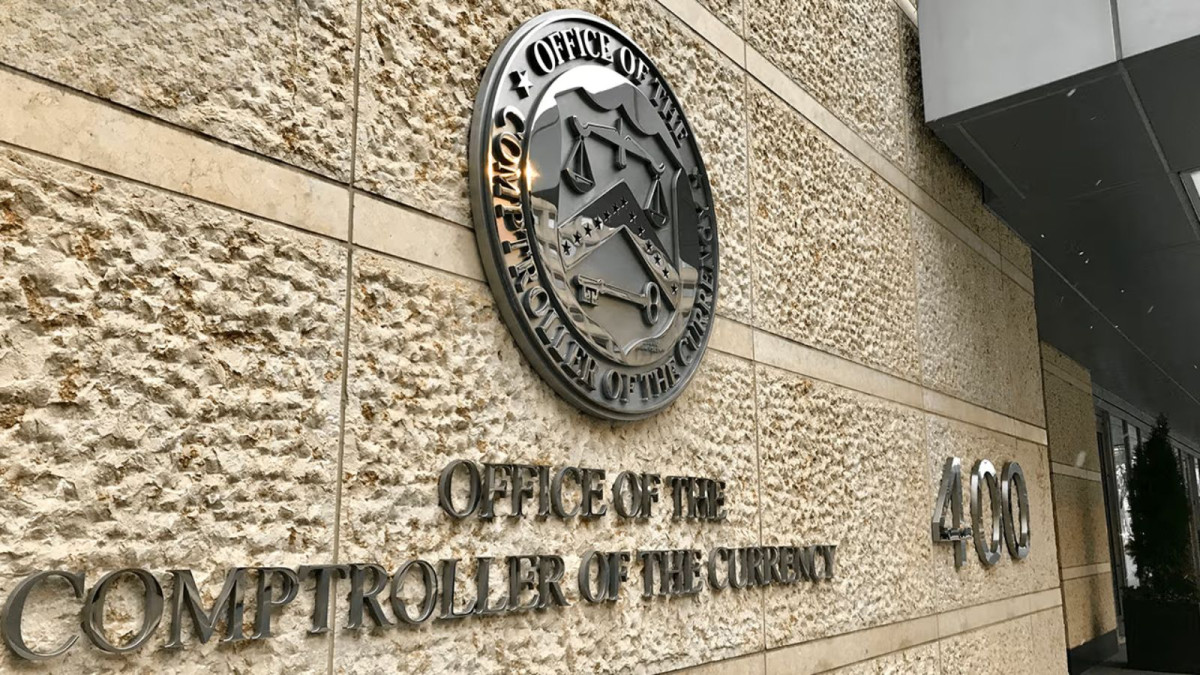
Sony Bank Receives Conditional Approval From U.S. OCC to Set Up a National Trust Bank

Image credit: pymnts.com
Sony Bank, one of Japan's largest online banks, has received conditional approval from the U.S. Office of the Comptroller of the Currency, or OCC, to establish a national trust bank.
According to a press release from Sony Bank, the establishment of the trust bank, named Connectia Trust, is intended to prepare for the commercialization of businesses related to the issuance and management of U.S. dollar-denominated stablecoins in the United States.
"The establishment of this trust subsidiary is intended to contribute to the development of a medium to long-term business foundation for the Sony Financial Group's digital asset businesses," Sony Bank said in a press statement.
Although Connectia is being established this month, with Sony Bank committing an initial capital investment of $40 million (equivalent to JPY 6.4 billion), the trust bank will not begin full operations or stablecoin issuance until 2027. That is contingent on receiving final approval from the OCC after meeting all regulatory requirements.
Sony Bank's approval comes at a time when several other financial institutions, including crypto companies, have sought to establish national trust banks. In December last year, stablecoin issuer Circle received conditional approval to establish a national trust bank before securing final approval this week. Other companies that have received similar conditional approval include Ripple, Paxos, Fidelity, and BitGo.
By seeking an OCC national trust charter, companies can gain greater regulatory clarity and credibility to issue and manage U.S. dollar-backed stablecoins, provide custody services, and operate under a single national regulatory framework that preempts many state licensing requirements. An OCC charter can also help companies build trust among institutional clients, enabling them to expand their services to a broader range of customers.

Binance Officially Enters the Philippines

Binance, the world's largest cryptocurrency exchange by trading volume, has re-entered the Philippines after being designated an unregistered exchange and blocked by the Philippine Securities and Exchange Commission (SEC) in 2024.
Binance's return to the Philippines was made possible through a regulatory sandbox partnership with BlockShoals Technologies Inc., a Philippine-registered fintech company.

Image credit: X.com
Since this is not a fully licensed entry, Binance, under the supervision of the Philippine SEC, will have its infrastructure integrated with BlockShoals for the next 90 days. This will allow the Philippine SEC to monitor Binance's transaction flows, user protection measures, and anti-money laundering controls in a controlled environment before deciding whether to grant broader operating approval.
If Binance meets all compliance requirements after the 90-day testing period, the Philippine SEC may grant the exchange a full operating license. As a result, Filipino retail traders may not see Binance-branded services until at least early October, following the completion of the 90-day testing period.
Binance's sandbox partnership with BlockShoals comes about two years after the Philippine Securities and Exchange Commission, through the National Telecommunications Commission, blocked access to Binance's website and related pages. According to the regulator, Binance was operating without the required license and registration and was offering unregistered securities, which it said posed risks to investors.
Crypto adoption in the Philippines appears to remain strong. According to a Chainalysis report, the country ranked ninth in the Global Crypto Adoption Index, down from second place in 2022. The Philippine crypto market is currently valued at about $55 billion and is projected to reach $120 billion by 2034.
Binance's Other Sandbox Partnerships
This is not the first time Binance has entered a country through a sandbox partnership. In 2022, Binance formed a joint venture with Gulf Innova, a major subsidiary of Thailand's Gulf Energy Development. The partnership resulted in Gulf Innova's transition into Gulf Binance, enabling Binance to secure a full digital asset exchange and broker license from Thailand's SEC.
Binance has also pursued similar sandbox partnerships to enter Dubai and Kazakhstan. It also acquired Sakura Exchange BitCoin, a local Japanese crypto exchange, enabling it to operate in the country without regulatory setbacks.
Keyrock Secures MiCA License to Expand Across EU

Keyrock, a leading crypto investment company and digital asset liquidity provider, has secured a Markets in Crypto Assets Regulation (MiCA) license, advancing its efforts to expand its presence across the European Union (EU).

The company announced the authorization in a Monday blog post, stating that it was granted through its French subsidiary, Keyrock FR SAS. According to Reza Ghadiri Zare, Keyrock’s general counsel, the MiCA license provides regulatory certainty as the firm scales its operations across EU member states, thereby strengthening investor confidence.
“Achieving a MiCA license not only demonstrates our uncompromising market integrity, but also signals our intent for the future,” commented Kevin de Patoul, CEO of Keyrock. “We’ll continue to drive progress in digital assets, but never at the expense of security or transparency. As we grow, we’ll provide clients with the stability and confidence required in a regulated market.”
With MiCA licensing secured and regulatory hurdles cleared, Keyrock aims to enhance its cross-border operations across the EU. Coupled with its liquidity and risk management infrastructure, the company plans to further scale its digital asset initiatives.
With a valuation of $1.1 billion, Keyrock operates a liquidity infrastructure that spans more than 85 centralized and decentralized exchanges and over 1,400 markets.
About Keyrock
Founded in 2017, Keyrock is a leading global digital asset market maker that aims to make crypto markets more accessible and scalable. Leveraging its high-frequency trading technologies, risk management capabilities, and deep liquidity, Keyrock offers a range of services, including market making, OTC trading, and digital asset and wealth management.
As one of the earliest crypto market makers, Keyrock has achieved several significant milestones, including raising more than $170 million and achieving unicorn valuation. The company has also secured the necessary licenses, reducing regulatory uncertainty as it expands across the EU. Keyrock serves institutional clients, including hedge funds, asset managers, and traditional finance companies entering the digital asset market.

Appeals Court Upholds Sam Bankman-Fried FTX Conviction

A federal appeals court, the U.S. Court of Appeals for the Second Circuit in Manhattan, has upheld the conviction of Sam Bankman-Fried, the founder of the now-defunct FTX cryptocurrency exchange.
Following his conviction on March 28, 2024, Bankman-Fried’s lawyers filed a direct appeal with the U.S. Court of Appeals on April 11, 2024. His legal team argued that the trial was unfair, citing alleged judicial bias by Judge Lewis Kaplan, disputed jury instructions, and other procedural issues.
Through the appeal filing, Bankman-Fried’s legal team sought to overturn the conviction and secure a new trial before a different judge. However, the appeals court rejected the request, stating that there was “robust” evidence supporting the conviction.
“The overwhelming evidence presented at trial proved that Bankman-Fried knowingly and intentionally committed large-scale fraud against FTX’s customers,” Judge Barrington Parker wrote.
“While he was publicly reassuring customers, investors, and regulators that FTX customer funds were safe, he was simultaneously using FTX as his own personal piggy bank, spending customer funds on real estate, political contributions, and investments.”
Following the decision, Bankman-Fried’s legal team has the option of requesting an en banc review, in which all active judges on the Second Circuit would rehear the case. This request must typically be filed within 14 days, although the exact deadline depends on the court’s rules. If the review is denied, his lawyers could petition the U.S. Supreme Court to consider the case.
The appeals court’s rejection of Bankman-Fried’s retrial bid comes shortly after he reportedly filed for a presidential pardon from former President Donald Trump. The request does not seek to shorten or reduce his sentence, but instead aims to restore certain civil rights associated with a felony conviction.
Before the appeals court ruling, Bankman-Fried had filed a request for a new trial in February, arguing that there was newly discovered evidence. However, the request was denied by Judge Lewis Kaplan on April 28, 2026.
The former founder of what was once the world’s largest cryptocurrency exchange is currently serving a 25-year sentence after being convicted on multiple charges, including conspiracy to commit wire fraud, securities fraud, commodities fraud, and money laundering.
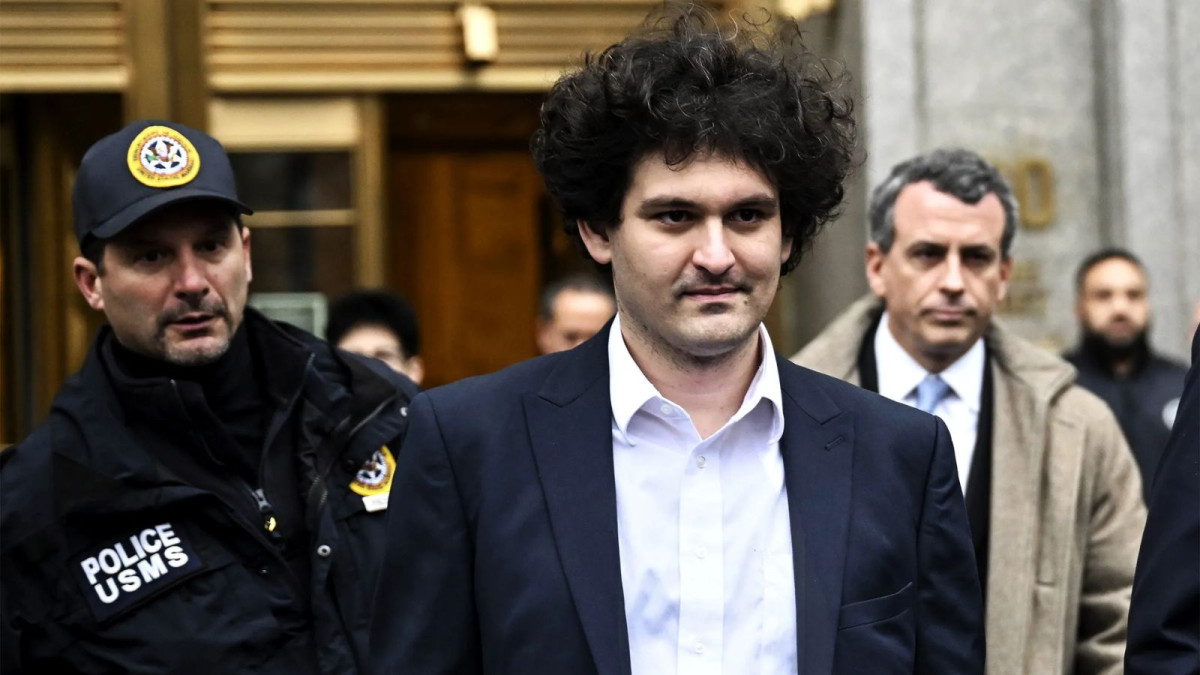
Sam Bankman-Fried Files Presidential Pardon Request With Trump
Sam Bankman-Fried, CEO of the now-defunct FTX cryptocurrency exchange, has formally submitted an application to the U.S. Department of Justice's Office of the Pardon Attorney, seeking a presidential pardon from U.S. President Donald Trump.
The application, which falls under the category of "Pardon after completion of sentence," does not request that Trump shorten or end Bankman-Fried's 25-year prison sentence. Instead, it seeks a presidential pardon that would formally forgive his federal convictions for fraud and related charges, restore certain civil rights, and remove the legal stigma associated with a felony conviction.
Speaking in a phone interview with Fox Business correspondent Susan Li, Bankman-Fried acknowledged that he would welcome a presidential pardon from Trump. However, he declined to comment on whether his parents or anyone close to him had contacted the White House on his behalf.
With the application now filed, the Office of the Pardon Attorney will conduct a thorough review of the petition and verify the information provided. Since the application was submitted just two years into his 25-year sentence, the process could take months or even years to reach a decision. If approved by the reviewing authorities, the recommendation will be forwarded to the president, who may choose to grant, deny, or take no action on the request.
The pardon application comes just months after Bankman-Fried sought a retrial in March, requesting the introduction of new witnesses. The move was later opposed by some U.S. prosecutors.
Bankman-Fried is currently serving a 25-year prison sentence for his role in the collapse of the FTX cryptocurrency exchange. He was convicted of fraud after prosecutors accused him of secretly diverting customer funds to purchase luxury real estate, make large political donations, and engage in other forms of financial misconduct.
At trial, Bankman-Fried was found guilty of wire fraud, securities fraud, commodities fraud, and money laundering. He was subsequently sentenced to 25 years in prison. Despite his conviction, he continues to argue that the prosecution was unjust.
"I didn't steal user funds either," Bankman-Fried said during his phone interview with Susan Li of Fox Business. "Customers have been repaid now 170% or so on their deposits. I can only tell you what I think and, you know, ultimately, customers have been repaid again nearly twice what they had on the platform, and it's a great disservice to them that it has taken three years."

Indonesia Blocks Polymarket, Expands Gambling Crackdown

Indonesia’s Ministry of Communication and Digital Affairs has blocked access to Polymarket, the world’s largest prediction market platform, and plans to block all social media accounts affiliated with it.
According to Alexander Sabar, Director General of Digital Space Supervision, platforms that facilitate money-based betting on specific outcomes or events are still categorized as online gambling, even if they are presented as prediction markets.
“The government will not allow any form of online gambling in Indonesia. Activities like Polymarket involve betting and speculation on uncertain outcomes, thus violating Indonesian law,” Sabar said in Central Jakarta, one of the country’s main administrative areas.
The agency also said the decision to block Polymarket is intended to protect younger users and the broader public in the digital space, and added that it will block access to other platforms that facilitate online gambling activities in the country.
Prior to the ban, Polymarket had a limited user base in Indonesia. However, it gained greater visibility between May 20 and 21 of this month when it launched a contract on whether President Prabowo Subianto would leave office early. The contract drew significant attention in Indonesian digital spaces, attracting roughly 51,000 dollars in trading volume within days of its launch.
Global Crackdown on Prediction Markets Continues
Regulators' crackdown on the activities of prediction market companies continues to intensify. Just last month, Brazil’s National Monetary Council (CMN), together with other government agencies and regulators, blocked Polymarket, Kalshi, and 27 other prediction market platforms from operating in the country. This came shortly after a court in Buenos Aires reportedly ordered a ban on Polymarket in Argentina.
Other countries in Europe, including France, Belgium, Germany, Italy, Poland, Portugal, and Hungary, have either banned or heavily restricted the activities of Polymarket, Kalshi, and other prediction market companies within their jurisdictions.
In the United States, several state regulators have taken action against prediction markets, with Minnesota most recently imposing a comprehensive ban on them. At least 17 states, including Illinois, New York, and Ohio, have issued cease-and-desist orders against prediction market companies.

Tether Partners With Georgia to Launch GELT Stablecoin

Tether, the largest stablecoin issuer, has partnered with the Georgian government to launch GELT, a stablecoin representing the lari, the country’s official currency.

The partnership, announced on Monday, aims to create a financial ecosystem that supports cross-border commerce, fintech development, and broader access to programmable financial infrastructure across Georgia.
GELT will serve as a digital representation of the Georgian lari and will be designed to enable lower transaction costs, near instant settlement, programmable payments, and more efficient movement of value across digital financial systems.
“Together with visionary partners like Tether, Georgia is laying the foundations for a more connected, transparent, and digitally empowered financial world,” said Irakli Kobakhidze, Prime Minister of Georgia.
The launch of the GELT stablecoin is built on a regulatory framework created by the Georgian government and the National Bank of Georgia. In March this year, the National Bank of Georgia developed a framework governing the issuance of stablecoins.
The framework, officially known as “The Rule for the Initial Coin Offering of a Stable Virtual Asset by a Virtual Asset Service Provider,” sets out standards that must be met by all virtual asset service providers (VASPs) operating in the country, including requirements for 100 percent reserve backing, strong consumer protections, proper risk management, and full compliance with the country’s Anti Money Laundering (AML) standards.
“Stablecoins are no longer a niche financial instrument. They are becoming part of the infrastructure layer for global finance,” said Paolo Ardoino, CEO of Tether. “Georgia has moved early to create serious regulatory architecture for digital assets and stablecoins, and that clarity creates the foundation for real innovation and adoption.”
Georgia’s stablecoin framework is also designed to be compatible with other regulatory frameworks, including the Guiding and Establishing National Innovation for U.S. Stablecoins Act (GENIUS Act) and Markets in Crypto Assets (MiCA).
By partnering with Tether to launch the GELT stablecoin, Georgia becomes the first country to team up with a major stablecoin issuer to issue a government-supported stablecoin pegged to its national currency. The UAE has also launched a dirham-pegged stablecoin, but unlike Georgia’s GELT, that stablecoin was issued by local consortia rather than a major stablecoin issuer such as Tether.
The planned launch of the GELT stablecoin comes shortly after Tether launched its self-custodial wallet. In an effort to increase access to stablecoins, Qivalis recently expanded its consortium to include more banks, which are collectively working to launch a euro-pegged stablecoin.
Bitcoin Options Are Coming to NASDAQ

The SEC just greenlighted cash-settled Bitcoin iindex options on NASDAQ.
On May 22, the U.S. Securities and Exchange Commission published a 34-page order clearing Nasdaq PHLX to list cash-settled bitcoin index options under the ticker QBTC. The order hands everyday brokerage account holders a direct path to trade bitcoin volatility right alongside their Apple and Nvidia shares, no separate accounts, no crypto wallets, no extra steps.
The approval came on an accelerated basis under SEC Chairman Paul Atkins, and it is conditional. Before a single QBTC contract can trade, the Commodity Futures Trading Commission still needs to grant exemptive relief. Bitcoin is legally classified as a commodity in the U.S., so the CFTC gets a say. No timeline has been announced for that step. But the direction things are moving is pretty hard to misread at this point.
What QBTC Actually Is
QBTC options are European-style and cash-settled. There is no physical delivery of bitcoin at expiration. When a contract expires, the exchange credits or debits the dollar difference between the strike price and the final index value. No bitcoin wallet. No custody headaches. The contracts track the Nasdaq Bitcoin Index, which represents one one-hundredth of the CME CF Bitcoin Real Time Index, a benchmark pulling aggregated order book data from eight regulated venues roughly every 200 milliseconds.
Unlike options tied to individual spot bitcoin ETFs (say, BlackRock's IBIT), these contracts reference the broader bitcoin market directly. That gives institutional managers a cleaner hedge against general bitcoin price exposure without fund-specific tracking differences bleeding into their positions. It is a subtle but meaningful difference for anyone running a real book.
Size Is the Real Story Here
This is where retail traders should actually pay attention. Each QBTC contract delivers exposure equal to exactly one bitcoin, using a 1/100th index scaling factor with a standard $100 multiplier. CME's standard bitcoin options are sized at five bitcoin per contract. At current prices, one CME contract can represent several hundred thousand dollars in notional exposure. Fine for a large hedge fund, not so practical for smaller shops or individual investors trying to manage a position with any precision.
CME's bitcoin options also require a dedicated derivatives account, which is another layer of friction before anyone can even place a trade. QBTC options will sit on the same Nasdaq platform as the technology stocks most investors already own. Your existing brokerage account should work. That is a real accessibility improvement, not just a marketing claim.
For the record: the per-side position limit is set at 24,000 contracts, which the SEC noted works out to roughly 0.12% of bitcoin's outstanding supply. Minimum price increment is $0.01. The mechanics are deliberately designed to feel familiar to anyone who has ever traded index options.
The Regulatory Picture Is Messy, but Getting Better
The road to approval was not totally smooth. CME Group submitted a comment letter last October arguing these contracts fall under the CFTC's exclusive jurisdiction. The SEC pushed back, leaning on Section 717 of the Dodd-Frank Act to argue that shared jurisdiction is permissible when the CFTC provides exemptive relief. That jurisdictional tension is still technically unresolved, which is exactly why CFTC sign-off remains the final hurdle.
The SEC approval itself came nine months after Nasdaq PHLX originally filed back in September 2025, following multiple rounds of public commentary and extension periods. Nine months is actually fast by historical standards for a novel derivative product. The original spot bitcoin ETF approvals took something like four years from first filing to clearance, under the Gensler administration's much more skeptical posture toward crypto.
People following this space closely see QBTC as part of a broader shift that started taking shape in early 2025. The Atkins-led SEC has dropped numerous enforcement actions against crypto firms and moved toward more permissive regulatory frameworks. Add in the ongoing CLARITY Act discussions in Congress, and it feels less like a string of isolated approvals and more like a deliberate effort to build out the full institutional crypto stack inside traditional market infrastructure.
What Happens Next
A realistic launch window is probably the second half of 2026, assuming CFTC exemptive relief comes through on a normal timeline. Once trading begins, any U.S. options broker supporting index options should be able to facilitate QBTC trades without any special setup required on the user end.
The longer-term picture is worth thinking about. Crypto options volume has grown sharply over the past two years, driven by institutional demand for hedging tools and yield strategies. With QBTC in the mix, investors would have access to spot bitcoin ETFs, ETF-specific options, CME futures, and now broad index-linked options, all sitting within traditional exchange infrastructure. The institutional crypto derivatives stack is starting to look, piece by piece, a lot like what already exists for gold and oil.
How quickly the CFTC moves on exemptive relief will say a lot about whether the two agencies are genuinely coordinated on crypto or just moving in parallel. The market is watching that closely. And given everything that has happened over the past 18 months, it would be surprising if this one got stuck for long.

Attempted Kidnapping Targets Sandbox Co-Founder’s Wife

The wife of Sébastien Borget, co-founder and chief operating officer of The Sandbox, an Ethereum-based virtual world platform, reportedly narrowly escaped being kidnapped at the couple’s home in Villenoy, Seine-et-Marne, France, this week.
According to Le Journal du Dimanche, a local French newspaper, one of the kidnappers disguised as a deliveryman wearing a branded vest, knocked on the couple’s home.
On opening the gate, five other hooded accomplices charged at Borget’s wife in an attempt to forcefully drag her into a vehicle. However, her cries alerted neighbors, forcing the group to scatter and leave the victim behind.
Four suspects escaped in the vehicle, while two others fled on foot and hid nearby. The two suspects attempted to book a ride-hailing car but were later captured by officers from the Meaux Anti-Crime Brigade.
The two suspects arrested were identified as Mateo V. and Walid H., reportedly born in 2010 and 2009, respectively, and are both residents of Pantin in Seine-Saint-Denis. They were found carrying a fake handgun, zip tie restraints, and balaclavas.
While investigations are ongoing, local news reports have linked the attempted kidnapping to cryptocurrencies, citing an increase in crypto-related wrench attacks and kidnapping incidents reported this year.
France Remains a Hotspot for Crypto Wrench Attacks
There has been an increase in attacks on crypto holders, with France leading and becoming the global epicenter.
In just the first four months of this year, between 41 and 47 incidents were reported in France, an average of one incident every 2.5 days. The French authorities have also charged 88 suspects, including more than 10 minors, across 12 major investigations, with 75 in pretrial detention.
Jameson Lopp, cofounder and chief security officer of Casa, a well-known blockchain security company, has long been tracking these crypto-wrench attacks in a GitHub repository named "physical bitcoin attacks." According to the repository, there have been about 35 recorded incidents this year, with France accounting for 74 percent of those, or 26 incidents in total.
To help combat the increasing number of wrench attacks, Binance recently added a withdrawal protection feature to the Binance wallet that activates a lockdown period, preventing withdrawals from the wallet, especially by intruders.

Qivalis Expands Euro Stablecoin Consortium to 37 Banks

Qivalis, an Amsterdam-based joint venture developing a fully regulated MiCA-compliant euro stablecoin, has expanded its consortium to include 25 new banks.

With this expansion, the Qivalis consortium now comprises 37 banks across 15 European countries, including major names such as ABN AMRO, Rabobank, Nordea, Intesa Sanpaolo, Banco Sabadell, and Bankinter.
Created in early December last year, the Qivalis consortium is a group of European banks that came together to develop a stablecoin pegged to the euro. By launching a euro-pegged stablecoin, Qivalis aimed to create a credible and regulated alternative to the widely used United States dollar stablecoin.
The Qivalis euro-backed stablecoin would also eliminate the need for European banks to launch competing bank-issued stablecoins, as it is interoperable and fully compliant with MiCA across the European Union and the European Economic Area.
The consortium is currently pursuing an Electronic Money Institution license from De Nederlandsche Bank, the Dutch central bank, with plans to launch a euro-backed stablecoin in the second half of this year.
The State of the Stablecoin Market
The stablecoin market continues to grow significantly, with more traditional finance institutions entering and tapping into the expanding sector. According to a recent report, total stablecoin liquidity, or market capitalization, has crossed $320 billion, with US dollar-backed stablecoins accounting for about 95% of the market.
Tether (USDT) remains the most widely used US dollar-backed stablecoin, accounting for about 57.96% of the market, or approximately $ 185 billion in market capitalization. USD Coin (USDC) follows, accounting for about 24% of the market and having a market capitalization of roughly $78-79 billion.
The euro-denominated stablecoin market still represents a small fraction of the global stablecoin market. According to CoinGecko, euro-denominated stablecoins have a combined market capitalization of roughly $670 million, with EURC from Circle and EURS from Stasis being the two most prominent, with market caps of $436 million and $145 million, respectively.
Zerohash Secures EMI License After MiCAR Approval

Zerohash, a leading crypto infrastructure provider, has received an Electronic Money Institution (EMI) license from De Nederlandsche Bank, the Dutch central bank.
The EMI license comes shortly after it secured a Markets in Crypto Assets Regulation (MiCAR) license in October 2025 from the Dutch Authority for the Financial Markets (AFM).
With the EMI license secured, Zerohash is now the first MiCAR-licensed firm to obtain an Electronic Money Institution license in accordance with the European Banking Authority’s June 2025 No Action Letter and February 2026 clarifications, which gave crypto firms and stablecoin issuers a temporary breathing space to get their payment licenses in order by March 2nd of this year.

By securing the EMI license, Zerohash positions itself to issue, manage, and support stablecoin-powered payments using e-money tokens across the European Economic Area. Zerohash now has the regulatory basis to integrate crypto and traditional electronic money flows for its institutional clients.
"Europe has a massive market for stablecoin applications," said Roeland Goldberg, Managing Director, Europe at Zerohash. "The announcement comes on the heels of accelerating momentum for Zerohash across Europe. In recent months, the company has expanded its European Union presence in Amsterdam and is now powering partners, including Interactive Brokers Europe, in the region."
Alongside the previously secured MiCAR license, Zerohash can now serve its institutional clients, including banks, fintechs, brokerages, payment providers, and large enterprises, providing compliant stablecoin settlement, remittances, and digital asset services across Europe.
About Zerohash
Zerohash is a leading infrastructure provider for crypto, stablecoins, and tokenized assets. Through its application programming interface (API) and embeddable developer kit, it enables large institutions, including banks, brokerages, and fintech companies, to integrate crypto trading, stablecoin payments, custody, tokenization, and fiat to crypto and crypto to fiat conversion services into their own platforms, without having to build complex backend infrastructure or navigate regulatory frameworks themselves.
Zerohash is currently a licensed money transmitter in 51 United States jurisdictions and serves more than 5 million users across over 190 countries. Its crypto and stablecoin infrastructure has also been used by several institutional firms, including Interactive Brokers, Stripe, Franklin Templeton, and MoneyLion, with its infrastructure also supporting BlackRock’s BUIDL fund.
Minnesota Approves Crypto Custody Services for Banks

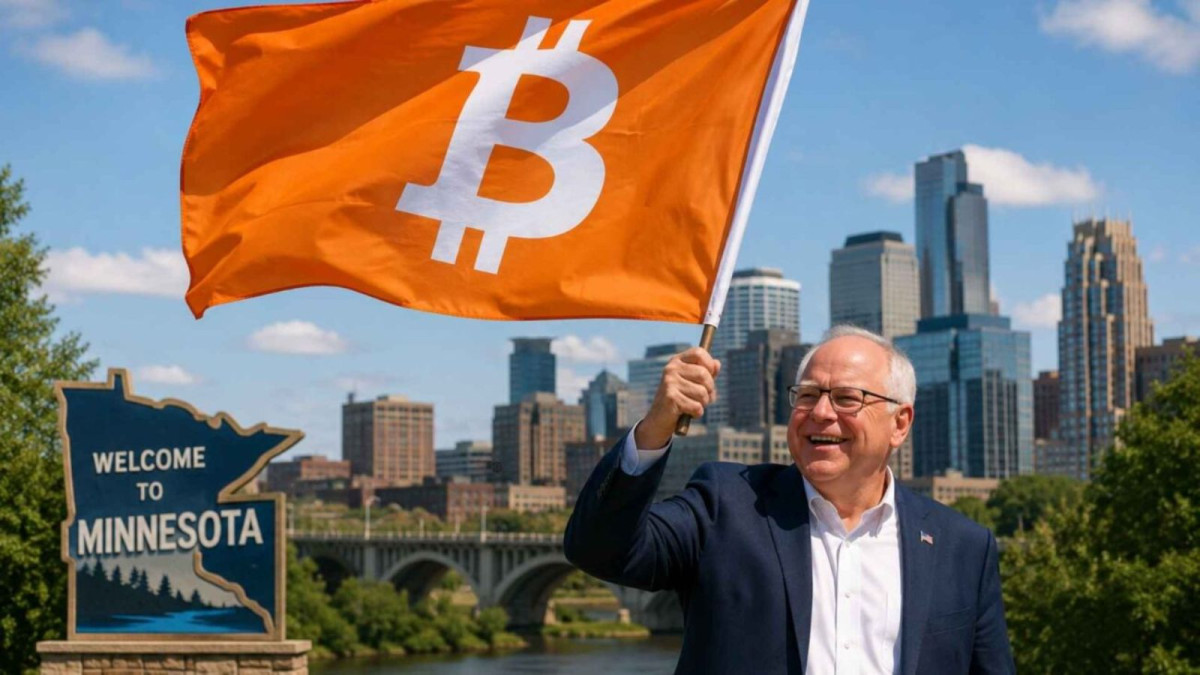
Minnesota has enacted a law that allows banks and credit unions in the state to offer cryptocurrency custody services, with the law expected to take effect on Aug. 1, 2026.
The bill, HF 3709, was signed into law on Friday by Minnesota state governor Tim Walz, with the state legislature’s website stating that cryptocurrency custody services may now be offered and performed in the state.
While this is a significant milestone for crypto adoption in the state, the law also requires banks and credit unions interested in offering crypto custody services to submit a written notice detailing their risk management frameworks to the Minnesota Commissioner of Commerce at least 60 days before commencing such services.
The Minnesota Commissioner of Commerce will serve as the primary regulator, overseeing crypto custody services offered by banks and credit unions in the state.
Banks and credit unions interested in offering crypto custody services are also required to maintain a comprehensive written policy covering their internal controls, security, risk management, and compliance frameworks, while also segregating their clients’ assets from institutionally owned assets.
According to Representative Bernie Perryman, one of the primary sponsors of HF 3709, the legislation aims to establish a trustworthy framework that enables financial institutions to work with and safeguard Minnesotans' crypto assets, especially as crypto becomes more mainstream.
“House File 3709 is about ensuring that Minnesota-based financial institutions are allowed to evolve alongside their customers and members rather than forcing Minnesotans to rely on unregulated, out-of-state or offshore providers for services that are already in use today,” Perryman said in a March press release.
The passage of HF 3709 comes just a few weeks after the Minnesota governor banned the use and ownership of crypto kiosks and ATMs across the state, citing their growing use in fraud.
With the passage of this bill, Minnesota now joins Wyoming, New York, and Virginia, which have passed similar bills that allow banks and credit unions to offer crypto custody services.