#US Banking
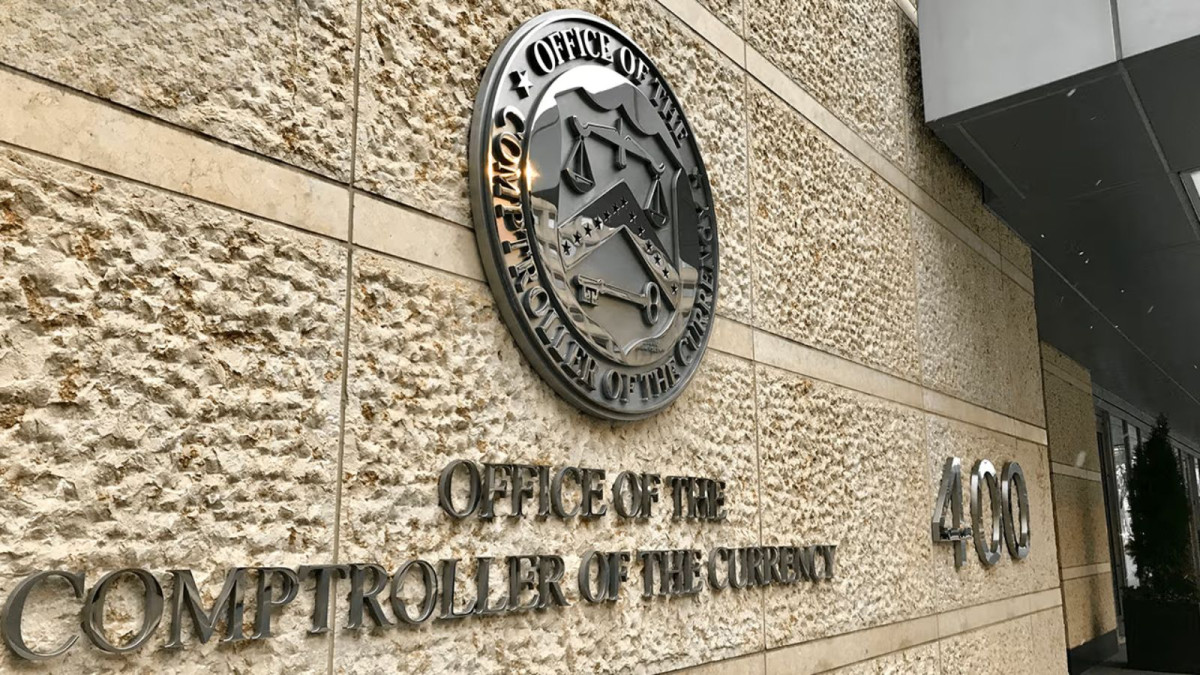
Sony Bank Receives Conditional Approval From U.S. OCC to Set Up a National Trust Bank

Image credit: pymnts.com
Sony Bank, one of Japan's largest online banks, has received conditional approval from the U.S. Office of the Comptroller of the Currency, or OCC, to establish a national trust bank.
According to a press release from Sony Bank, the establishment of the trust bank, named Connectia Trust, is intended to prepare for the commercialization of businesses related to the issuance and management of U.S. dollar-denominated stablecoins in the United States.
"The establishment of this trust subsidiary is intended to contribute to the development of a medium to long-term business foundation for the Sony Financial Group's digital asset businesses," Sony Bank said in a press statement.
Although Connectia is being established this month, with Sony Bank committing an initial capital investment of $40 million (equivalent to JPY 6.4 billion), the trust bank will not begin full operations or stablecoin issuance until 2027. That is contingent on receiving final approval from the OCC after meeting all regulatory requirements.
Sony Bank's approval comes at a time when several other financial institutions, including crypto companies, have sought to establish national trust banks. In December last year, stablecoin issuer Circle received conditional approval to establish a national trust bank before securing final approval this week. Other companies that have received similar conditional approval include Ripple, Paxos, Fidelity, and BitGo.
By seeking an OCC national trust charter, companies can gain greater regulatory clarity and credibility to issue and manage U.S. dollar-backed stablecoins, provide custody services, and operate under a single national regulatory framework that preempts many state licensing requirements. An OCC charter can also help companies build trust among institutional clients, enabling them to expand their services to a broader range of customers.
FDIC Moves to Regulate Stablecoin Issuers Under GENIUS Act

The Federal Deposit Insurance Corporation (FDIC), the primary insurance body for bank deposits in the United States, has recently moved to regulate FDIC supervised stablecoin issuers in accordance with the Guiding and Establishing National Innovation for US Stablecoins (GENIUS) Act.
The agency, in a recent press release, announced that its board of directors had approved a Notice of Proposed Rulemaking to implement key provisions under the GENIUS Act.
According to the FDIC, this proposal would provide a prudential framework for permitted payment stablecoin issuers under its supervision, setting standards with regard to stablecoin reserve assets, redemption, capital, liquidity, and risk management that will be uniformly adhered to by all FDIC supervised stablecoin issuers.
The proposal will also establish requirements for FDIC supervised permitted payment stablecoin issuers and insured depository institutions that provide certain payment stablecoin related custodial and safekeeping services.
All entities under FDIC supervision, including permitted payment stablecoin issuers, which are entities legally approved to issue stablecoins in the United States, and insured depository institutions, which include banks and other federally insured financial institutions, must comply with this new FDIC stablecoin prudential rule if they are engaged in issuing stablecoins or providing related services.
Although the FDIC insures deposits at more than 4,000 financial institutions in the United States and supervises more than 2,700 banks, there are currently no approved permitted payment stablecoin issuers or insured depository institutions operating under this specific framework. Approval would only follow once the proposal becomes a final rule, after which entities may begin applying for supervision under the FDIC.
For the proposal to become a rule, it must be released for public comment, which has already occurred, with a 60-day window provided for feedback. After the 60-day window elapses, the FDIC will review the comments and feedback and make any necessary adjustments based on the public response.
The Office of the Comptroller of the Currency, the Federal Reserve, and, in some cases, the Treasury Department may be invited to review the final proposal to ensure it does not conflict with existing banking and financial laws. After this review, the FDIC board may approve it as a final rule, after which it is published in the Federal Register.
What happens after the proposal becomes law?
Upon the proposal becoming law, banks and other eligible financial institutions can then apply for designation as a Permitted Payment Stablecoin Issuer (PPSI) under FDIC supervision. The application is reviewed and either approved or denied by the FDIC within a period of 120 days.
The FDIC will also regularly review the capital, reserves, risk controls, and compliance systems of these approved entities to ensure they are safe to operate.